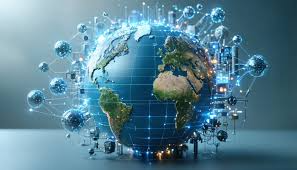
How Technology Is Reshaping Every Country on Earth
Technology is no longer a luxury reserved for developed nations or large corporations. It has become a global force that is reshaping every country on Earth, influencing how people work, communicate, govern, learn, and live. From artificial intelligence and cloud computing to mobile internet and renewable energy, technological advancements are transforming economies, societies, and cultures at an unprecedented pace.
In today’s interconnected world, technology acts as both a bridge and a catalyst—reducing distances, accelerating development, and redefining global power structures. This article explores how technology is reshaping nations worldwide, the opportunities it creates, and the challenges it presents.
The Global Digital Transformation
Over the past two decades, digital transformation has moved from a regional trend to a worldwide phenomenon. Internet access, smartphones, and cloud-based services have spread rapidly, even in remote and underserved regions.
According to global development studies, countries that adopt digital tools experience faster economic growth, improved public services, and stronger global integration. Whether it is a farmer in Africa using mobile banking or a startup founder in Southeast Asia accessing international markets, technology has become a universal enabler.
Economic Growth and Innovation Across Borders
Technology as an Economic Engine
Technology-driven innovation is reshaping national economies by:
- Increasing productivity
- Reducing operational costs
- Creating new industries and job roles
- Attracting foreign investment
Countries investing in digital infrastructure—such as broadband networks, data centers, and smart cities—are seeing accelerated GDP growth. Tech hubs are no longer limited to Silicon Valley; cities in India, Brazil, Nigeria, and Eastern Europe are emerging as global innovation centers.
Rise of the Digital Economy
The digital economy includes e-commerce, fintech, digital services, and online platforms. These sectors allow businesses of all sizes to reach global audiences. Small and medium enterprises (SMEs) now compete internationally using digital marketing, online payment systems, and cloud-based operations.
For developing countries, this shift reduces dependence on traditional industries and opens doors to global trade without massive physical infrastructure.
Transforming Education and Learning Systems
Access to Knowledge Without Borders
Technology has revolutionized education by removing geographical and financial barriers. Online learning platforms, virtual classrooms, and open educational resources allow students worldwide to access high-quality education.
Countries with limited educational infrastructure now leverage:
- E-learning platforms
- Mobile-based education apps
- AI-powered tutoring systems
This digital shift is helping bridge the global education gap and empowering lifelong learning.
Skills for the Future Workforce
As automation and artificial intelligence reshape job markets, governments are investing in digital skills training. Coding, data analysis, cybersecurity, and digital literacy are becoming essential skills for the modern workforce.
Nations that prioritize technology-driven education are better prepared for future economic shifts.
Healthcare Revolution Through Technology
Digital Health and Telemedicine
Technology is transforming healthcare systems globally. Telemedicine platforms allow patients to consult doctors remotely, which is especially critical in rural and underserved regions.
Digital health innovations include:
- Electronic health records
- AI-based diagnostics
- Wearable health devices
- Remote patient monitoring
These tools improve healthcare access, reduce costs, and enhance treatment accuracy.
Global Health Collaboration
Technology enables countries to share medical research, track disease outbreaks, and coordinate responses to global health crises. During pandemics and emergencies, data-driven decision-making saves lives and strengthens international cooperation.
Governance, Transparency, and Smart Nations
E-Government and Digital Public Services
Governments worldwide are using technology to improve efficiency and transparency. E-government platforms allow citizens to:
- Access public services online
- Pay taxes digitally
- Register businesses remotely
- Participate in digital voting systems
These innovations reduce bureaucracy, minimize corruption, and improve citizen trust.
Data-Driven Policy Making
Big data and analytics enable governments to make informed decisions based on real-time insights. Smart city initiatives use sensors and AI to manage traffic, energy, waste, and public safety more effectively.
Technology and Cultural Transformation
Preserving Culture in the Digital Age
While technology accelerates globalization, it also helps preserve local cultures. Digital archives, virtual museums, and social media platforms allow communities to share traditions, languages, and history with a global audience.
Countries use technology to document endangered languages, promote cultural tourism, and strengthen national identity.
Social Connectivity and Communication
Social media, messaging apps, and video conferencing have reshaped how people connect. Families separated by borders stay in touch instantly, and global movements gain momentum through digital platforms.
However, this connectivity also raises concerns about misinformation, digital addiction, and online privacy.
Technology’s Role in Environmental Sustainability
Green Technology and Renewable Energy
Technology is essential in addressing climate change and environmental challenges. Countries are adopting:
- Solar and wind energy systems
- Smart grids
- Electric vehicles
- AI-driven climate modeling
These innovations help reduce carbon emissions and promote sustainable development.
Smart Agriculture and Resource Management
Agricultural technology, including precision farming, drones, and IoT sensors, helps farmers optimize crop yields while conserving water and soil. This is particularly important for countries facing food security challenges.
Bridging the Digital Divide
Unequal Access to Technology
Despite rapid progress, a digital divide still exists between and within countries. Limited internet access, affordability issues, and lack of digital skills prevent some populations from benefiting fully from technology.
Bridging this gap requires:
- Investment in digital infrastructure
- Affordable connectivity solutions
- Inclusive digital education programs
Global Cooperation for Digital Inclusion
International organizations and governments are collaborating to expand connectivity and ensure equitable access to technology. Digital inclusion is now recognized as a key driver of social and economic equality.
Cybersecurity and Global Challenges
As technology expands, so do cyber threats. Cybersecurity has become a national priority for countries worldwide. Protecting critical infrastructure, personal data, and digital economies requires international cooperation and advanced security technologies.
Countries are investing in:
- Cyber defense systems
- Data protection laws
- AI-powered threat detection
Balancing innovation with security is one of the most significant challenges of the digital age.
The Future: A Fully Connected World
Technology will continue to reshape every country on Earth in ways we are only beginning to understand. Emerging innovations such as artificial intelligence, quantum computing, blockchain, and biotechnology will further transform economies and societies.
Nations that embrace adaptability, invest in digital infrastructure, and prioritize ethical technology use will thrive in the future. Those that resist change risk falling behind in an increasingly competitive global landscape.
Conclusion
Technology is not just reshaping individual countries—it is redefining the global order. From economic growth and education to healthcare, governance, and sustainability, technology touches every aspect of modern life. While challenges such as inequality, cybersecurity, and ethical concerns remain, the potential benefits far outweigh the risks.
As countries continue to innovate and collaborate, technology will serve as the foundation for a more connected, efficient, and inclusive world. The future of humanity is digital, and every nation is part of that transformation.
If you want, I can also:
- Optimize this article further for Google rankings
- Add keywords, meta description, and FAQs
- Rewrite it for blogs, Medium, or news websites
Just tell me 👍

Related Posts
World’s Smartest Devices You Didn’t Know Existed

Gadgets That Define the Future of Humanity